
Brak produktów
 Zobacz większe
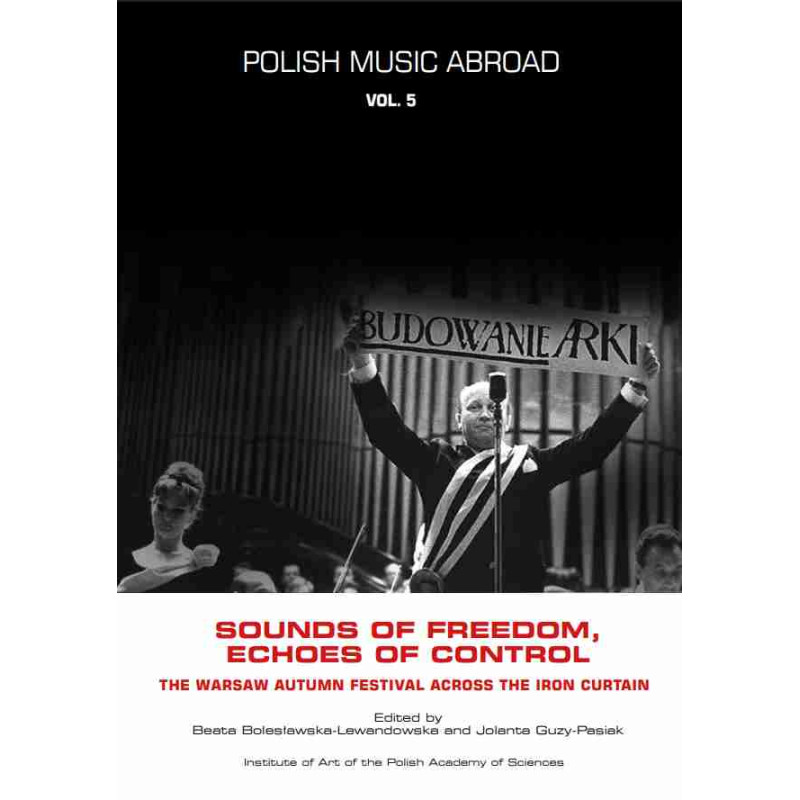
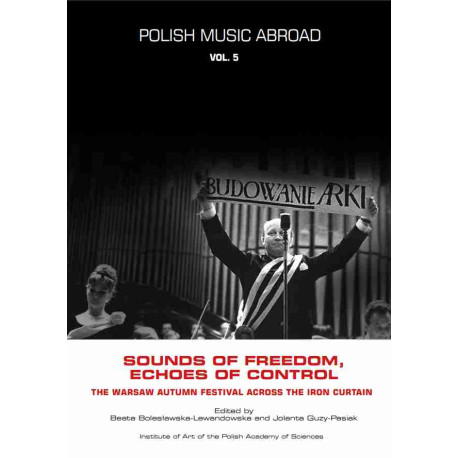
Muzyka polska za granicą, t. 5: Sounds of Freedom, Echoes of Control: The Warsaw Autumn Festival across the Iron Curtain
ISPAN
Nowy produkt
ISPAN 2025
oprawa miękka
stron 221
format 17 x 23,5 cm
1 Przedmiot
wysyłka do dwóch dni roboczych
Ostatnie egzemplarze!
Więcej informacji
Table of Contents Warsaw Autumn Festival and Its Legacy: An Introduction The establishment of the Warsaw Autumn festival gave birth to a new situation in Polish music. Hence, the date 1956, remains crucial not only in Polish 20th-century political history, but also in the history of Polish music: it marks the beginning of contemporary era in Polish musical culture. The success of the Warsaw Autumn opened up possibilities for contacts with Western musical culture, which resulted in breaking the cultural isolation of the previous years. Thanks to the Warsaw Autumn Poland renewed its participation in European cultural life, while a knowledge of the most recent musical trends allowed Polish composers to change their musical languages and develop most innovative musical ideas, which soon resulted in the appearance of new Polish music on the international scene.8 In next years, the Warsaw Autumn became not only a symbol of the new state of freedom in art in Poland, but also served as the most important platform for exchange of contemporary music from the both sides of the Iron Curtain.